So, let’s talk about something that often gets brushed aside when we think about teens and their struggles—sports. You might be thinking, “Sure, sports are fun and all, but can they really change a teenager’s life?” And honestly, yes, they can. More than we realize. Sports aren’t just about running around a field, scoring points, or sweating it out. They’re about healing, rebuilding confidence, finding purpose, and living healthier lives. I know that sounds big, but stay with me here. Think of sports as a kind of secret tool that helps teens pick themselves back up when life knocks them down.
Have you ever felt stuck, like you just didn’t know what to do with all the stress, frustration, or sadness you were carrying? Now, imagine being a teenager dealing with those feelings but without the maturity or resources to handle them. That’s where sports sneak in like an unexpected friend. They give structure, a safe outlet, and even a sense of belonging when everything else feels out of control.
Table of Contents
Why Sports Matter More Than We Think
Here’s the deal: teenagers are in this weird in-between stage. They’re not kids anymore, but they’re not adults either. They’re figuring themselves out. They’re questioning who they are, what they’re good at, and where they belong. Sports step in to provide some answers. Not all of them, of course, but enough to make life feel a little less messy.
Sports teach discipline without feeling like school. When you tell a teen to study for two hours, they’ll roll their eyes. But tell them they’ve got practice, and suddenly they’re showing up on time, pushing themselves, and learning consistency without even realizing it. That’s powerful.
And let’s not forget the physical side. Exercise literally changes your brain. It releases endorphins, reduces stress, and helps with focus. It’s like a natural medicine—no side effects, just movement.
Sports as a Safe Space for Recovery
Now, let’s cut to the chase. A lot of teens go through rough patches—whether it’s struggling with anxiety, recovering from unhealthy habits, or even pulling away from risky behaviors. Sports can be that bridge that helps them find their way back.
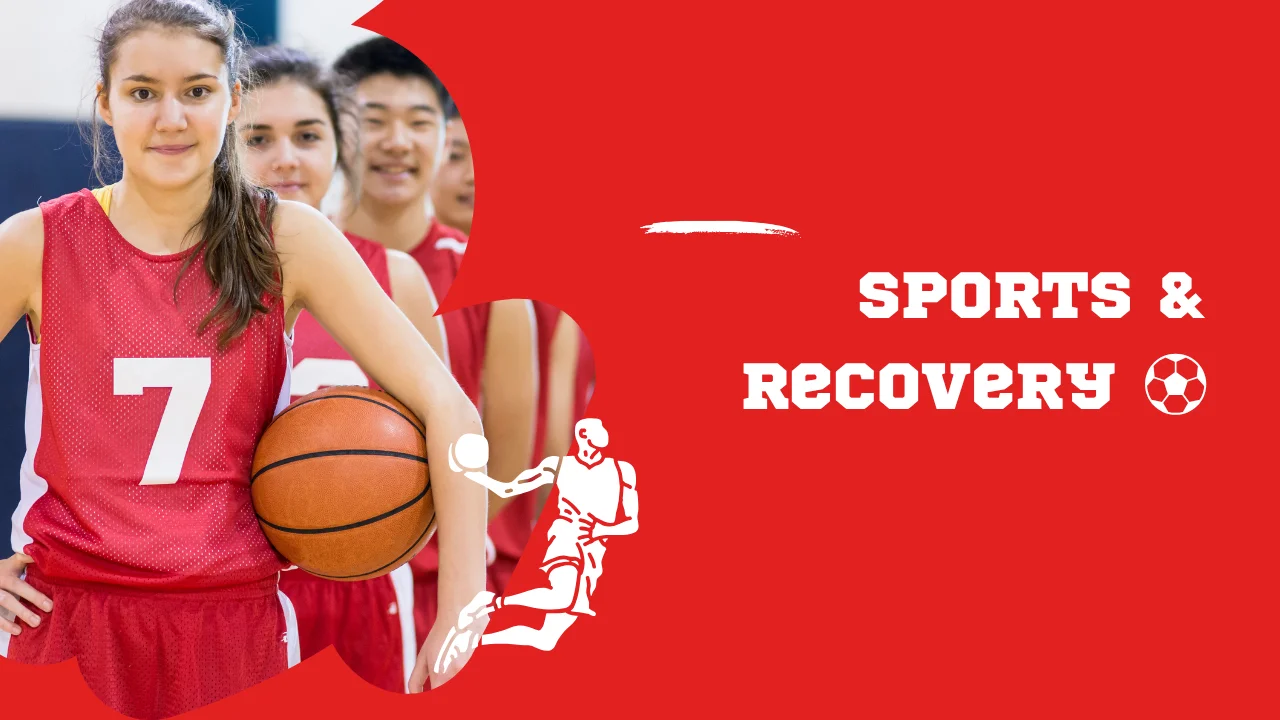
I’ll tell you a quick story. A friend of mine was dealing with some serious anger issues in high school. He was on the verge of getting into trouble constantly. One day, instead of detention, a teacher pushed him to join the basketball team. At first, he resisted. But eventually, he gave it a shot. And you know what? That court became his outlet. Every bit of frustration, every bit of bottled-up anger—it went into the game. Slowly, he learned to channel it. He wasn’t perfect, but the difference was like night and day. He went from almost being suspended to leading his team to championships.
Can you imagine that kind of turnaround? That’s the quiet power of sports. They don’t just give teens something to do—they give them something to live for.
How Sports Build Mental Strength
Think of sports like life training in disguise. You lose a game? That’s learning resilience. You win? That’s learning humility (hopefully). You mess up during practice? That’s learning accountability.
Teens pick up these lessons without even realizing it. And here’s the kicker—it helps them outside the field, too. Suddenly, handling a tough exam doesn’t seem so overwhelming because they’ve already faced pressure in front of a crowd. Dealing with rejection? Easier, because they’ve already lost games and bounced back.
I once joined a local soccer league in college after a rough patch. Honestly, I was nervous and didn’t know anyone. But after just a few weeks, I noticed something: my confidence came back. It wasn’t about scoring goals; it was about realizing I was capable of showing up, putting in effort, and being part of something bigger than myself. Teens need that more than ever.
Sports and Physical Health
Okay, let’s not forget the obvious—sports keep teens physically healthy. But it’s more than just fitness or avoiding obesity. Movement has a direct link to mental clarity. Ever noticed how a good walk or jog can clear your head? Now imagine that effect multiplied when it’s consistent and fun.
Teens who play sports also tend to avoid harmful habits. They’re less likely to fall into substance abuse because their bodies and schedules simply don’t allow it. It’s hard to go drinking the night before a big game—you’ll feel it instantly, and it’s not worth it. So in a way, sports naturally set boundaries.
Sports Create a Support System
Here’s something we don’t talk about enough: the friendships. Being part of a team creates bonds that are hard to break. It’s like being part of a family that actually understands you. For teens, especially those struggling with isolation, that’s priceless.
I remember one teammate in my school days who was super shy. Barely spoke a word in class. But on the volleyball court? He lit up. He found his people there. The team gave him a sense of identity. And over time, that confidence spilled into other parts of his life.
Sports are sneaky like that. They create community without it feeling forced. You’re just playing, but at the same time, you’re building trust, loyalty, and friendship.
Small Steps: How Teens Can Start
Alright, let’s be practical. What if a teen doesn’t like sports? Or feels they’re not “athletic”? That’s okay. Not every teen has to be the next LeBron James. The goal isn’t becoming a pro—it’s about movement and connection.
First, find what excites them. Maybe it’s not football, but it could be swimming, skateboarding, or even dance. Sports don’t always mean team jerseys and referees—it’s anything active that brings joy.
Next, encourage consistency, not perfection. A few minutes every day is better than going hard once and quitting.
Finally, keep it fun. The more enjoyable it feels, the longer they’ll stick with it.
The Emotional Side We Forget
One of the most beautiful things about sports is how they remind teens that they’re stronger than they think. That moment when they push past limits, when they surprise themselves, when they realize, “Wow, I did that”—it changes them.
I can’t tell you how many times I’ve seen teens find themselves through sports. It’s like watching a light switch turn on. Suddenly, they’re more hopeful, more confident, and more alive.
So yeah, sports might not solve everything. But for a teen trying to recover, heal, or simply live healthier—it can be the start of something incredible.
FAQs
How do sports help teens recover emotionally?
Sports give teens a safe outlet for stress and emotions, teaching resilience, discipline, and confidence.
Can sports prevent unhealthy habits in teens?
Yes, being active often keeps teens away from harmful behaviors like substance abuse because sports demand focus, health, and discipline.
What if a teen isn’t naturally athletic?
That’s okay! Sports aren’t just about competition. Dancing, swimming, or even hiking can be equally powerful for health and recovery.
Do team sports work better than individual sports?
Both have benefits. Team sports build community and belonging, while individual sports help with self-reflection and personal growth.
How can parents support their teens in sports?
Encourage them, provide resources, and celebrate effort—not just victories. Be present and supportive, not pushy.