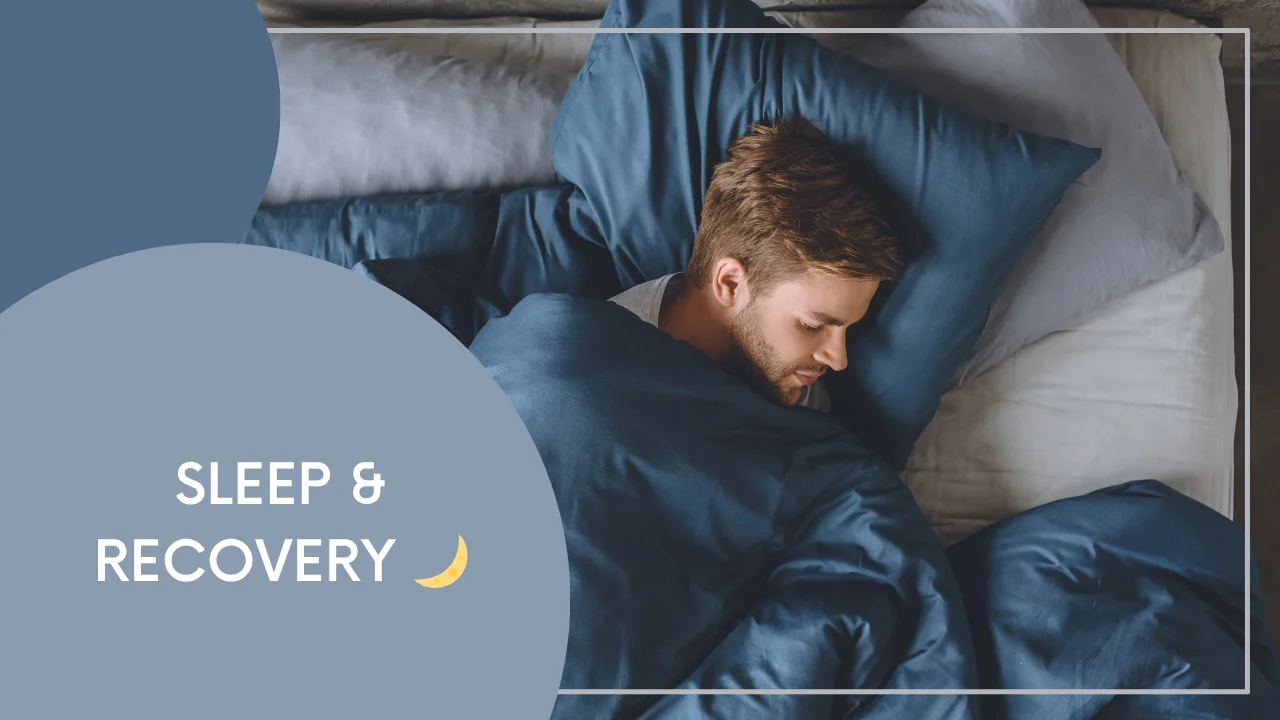
You know what’s crazy? We talk so much about addiction recovery, therapy, peer support, or even nutrition — but barely anyone talks about sleep. And honestly, that’s wild because sleep is huge when it comes to healing. Especially for teens going through recovery. I mean, think about it — when you’re tired, even small things feel like mountains, right? Now imagine trying to rebuild your life, manage cravings, deal with emotional roller coasters, and fight through exhaustion. It’s like trying to swim against a current with weights tied to your feet.
So yeah, sleep matters. Way more than people give it credit for. Let’s talk about why — and what can actually help.
Table of Contents
Why Sleep Is So Important in Teen Addiction Recovery
Let’s start with the basics. Sleep isn’t just “rest.” It’s when your brain does some serious behind-the-scenes work — repairing, sorting, and recharging. Think of it like hitting the “reset” button on your system every night. For teens, this is especially important because their brains are still developing.
Now, when someone’s recovering from addiction, their body and mind are already trying to adjust. The brain’s chemistry has been messed with — dopamine levels, stress hormones, emotional control, all of it. Without proper sleep, that healing process slows down.
It’s kind of like trying to fix a broken phone battery but never actually plugging it in to charge.
And here’s the thing — addiction itself often messes with sleep. Substances like alcohol, nicotine, or stimulants disrupt the natural sleep cycle. So, even after quitting, the body might still struggle to remember what “normal sleep” feels like.
Have you ever stayed up late for days and then tried to function the next morning? That foggy, irritable, “I can’t focus on anything” feeling? That’s what many teens in recovery face daily.
The Vicious Cycle: Poor Sleep and Cravings
Here’s where it gets really tricky. When teens don’t sleep well, their brain craves quick rewards — sugar, caffeine, or even substances they used before. The part of the brain that handles self-control (the prefrontal cortex) gets tired too. So, it’s not just about being sleepy; it’s about losing that mental guardrail that says, “Hey, don’t do this, you’re better than that.”
It’s like trying to resist a cookie when you haven’t eaten all day — except in this case, the “cookie” could be something way more dangerous.
And that craving cycle feeds itself. The less you sleep, the more your brain demands stimulation. The more stimulation you chase, the harder it becomes to sleep later. It’s a hamster wheel you can’t easily step off.
I remember this one friend from school — let’s call him Sam. He was going through recovery in his late teens. He’d stay up until 3 or 4 a.m. scrolling on his phone, then drag himself through the day. Every time he felt stressed or bored, the temptation hit harder. He once said, “It’s like my brain’s just begging for something to feel good.” Sleep deprivation was making everything worse.
Emotional Rollercoasters: How Sleep Affects Mood and Motivation
You’ve probably noticed how being tired makes you snappy or emotional. That’s not just mood swings — it’s brain chemistry. Lack of sleep increases cortisol (the stress hormone) and reduces serotonin (the “feel-good” one). So for teens already managing withdrawal, anxiety, or depression, bad sleep is like pouring gasoline on a fire.
I once had a week where I barely slept — deadlines, stress, you know the drill. By day three, I was irrationally annoyed at everything. My coffee spilled, and I felt like crying. Now imagine being a teen in recovery — dealing with guilt, cravings, therapy — and on top of that, having your emotions hijacked by exhaustion.
Can you imagine how overwhelming that feels?
Sleep problems can make small setbacks feel like total failures. It chips away at motivation. One bad night can spiral into skipping meetings, missing school, or even relapsing. That’s how serious it can get.
How Sleep Problems Start in Recovery
So where do these sleep problems even come from? There’s no single answer, but here are a few big ones:
1. Withdrawal Symptoms
When teens stop using substances, their bodies have to relearn how to function without them. Drugs like opioids, nicotine, or stimulants can totally throw off the sleep cycle. Some people can’t fall asleep; others wake up constantly. It’s like their body forgot how to switch off.
2. Anxiety and Overthinking
You know that feeling when you lie down and suddenly your brain decides it’s time to overanalyze your entire life? Multiply that by ten. Teens in recovery often carry a ton of guilt, shame, and fear of the future. That mental noise keeps them up for hours.
3. Irregular Routines
Recovery isn’t always structured at first. Without school, work, or a set bedtime, sleep schedules go haywire. They might nap at random times, scroll late into the night, and wake up at noon — which totally confuses the body clock.
4. Caffeine and Energy Drinks
Let’s be honest — many teens try to “fix” tiredness with caffeine. But that only pushes the sleep problem further. It’s like trying to put out a fire with gasoline.
What Happens to the Brain Without Sleep
Okay, let’s geek out for a second (just a little). When we sleep, our brain clears out toxins, stores memories, and balances hormones. Skip that, and all sorts of problems show up:
- Poor concentration: Hard to focus in therapy or school.
- Worse impulse control: More likely to act on cravings.
- Mood instability: Feeling sad, angry, or hopeless for no clear reason.
- Weakened decision-making: Easier to slip into “just once won’t hurt” thinking.
It’s not about willpower — it’s biology. The brain literally can’t perform well without rest.
Why Teens Have It Harder
Here’s something most people forget: teens already have a delayed sleep rhythm. Their bodies naturally want to stay up later and sleep in. Add stress, recovery, and phone screens to that mix, and boom — you’ve got chronic sleep deprivation.
And the scary part? The developing teen brain is more sensitive to both addiction and lack of sleep. It’s like building a house while there’s still an earthquake happening. You’re trying to stabilize something that’s constantly being shaken.
The Hidden Link Between Sleep and Relapse
This part hurts to say, but it’s true: poor sleep is one of the biggest predictors of relapse. When you’re exhausted, your brain starts convincing you that using again might “help you relax” or “take the edge off.” It’s sneaky like that.
And because teens often don’t realize how much sleep affects their emotions, they think they’re just “having a bad day” — when in reality, their brain’s crying out for rest.
One counselor I spoke to once said, “If I can help a teen fix their sleep, I’ve already helped them stay clean.” That’s how deep the connection runs.
So What Can Help?
Let’s cut to the chase. Here’s what actually works when it comes to getting better sleep during recovery.
1. Build a Routine
The body loves patterns. Go to bed and wake up at the same time — even on weekends. It sounds simple, but it resets your internal clock.
2. No Phones Before Bed
I know, easier said than done. But the blue light from screens tricks your brain into thinking it’s daytime. Try switching to “night mode” or, better yet, leave your phone outside the bedroom.
3. Create a Calm Sleep Zone
Keep the room dark, cool, and quiet. Maybe add a diffuser or a soft playlist. Make your brain associate that space with peace.
4. Limit Caffeine and Sugar
No coffee, tea, or energy drinks after lunch. You’ll be surprised how much easier it becomes to fall asleep.
5. Try Relaxation Tricks
Deep breathing, meditation, or journaling before bed can calm racing thoughts. Even something like writing down three things you’re grateful for helps shift your mindset.
6. Get Morning Sun
This one’s underrated. Sunlight in the morning helps your body produce melatonin (the sleep hormone) later at night. Step outside for ten minutes right after waking up — it works wonders.
7. Talk About It
If sleep issues keep going for weeks, it’s not something to tough out alone. Therapists, recovery coaches, or even doctors can help figure out what’s behind it — anxiety, depression, or something physical.
What Parents and Friends Can Do
If you’re reading this as someone supporting a teen, here’s the deal: nagging doesn’t help. Empathy does. Instead of saying, “You’re lazy, get up,” try, “Hey, looks like you’re not sleeping well. Want to talk about it?”
Small things like helping them create a calm environment, cooking balanced meals, or even joining them for a morning walk can make a huge difference. Sometimes, just knowing someone cares is enough to keep them from giving up.
A Personal Moment
You know, I once struggled with insomnia during a really stressful phase. I wasn’t in recovery, but I felt trapped in that same fog. Nights stretched forever, and mornings felt pointless. I’d lie there, exhausted but wired, wondering why I couldn’t just shut my brain off. When I finally started sleeping better — like, actually resting — everything changed. I felt like myself again.
That’s why I feel this topic so deeply. Sleep isn’t a luxury. It’s medicine — real, powerful, and essential.
Final Thoughts: Healing Starts with Rest
So here’s the truth — recovery isn’t just about quitting substances. It’s about rebuilding your whole life. And you can’t rebuild anything without energy, focus, and emotional stability. Sleep is the foundation for all of that.
If you’re a teen in recovery, or know someone who is, remember this: you don’t have to fix everything overnight. Start with rest. Give your brain the chance to heal. Because once you start sleeping better, everything else — the therapy, the motivation, the hope — becomes easier.
So, what’s your next move? Maybe tonight, try turning off your phone a little earlier. Close your eyes, breathe, and let your body catch up on all the healing it’s been craving. You might be surprised by how powerful something as simple as sleep can be.
FAQs
Q1: Why is sleep harder during teen addiction recovery?
Because withdrawal, anxiety, and disrupted routines mess with the brain’s natural rhythm. The body’s still learning to function without the substance, so sleep patterns take time to stabilize.
Q2: How long does it take for sleep to normalize after quitting drugs or alcohol?
It depends, but for many teens, it can take several weeks to a few months. Consistency and healthy habits can help speed up the process.
Q3: Can poor sleep cause relapse?
Yes, absolutely. Tiredness weakens self-control and increases cravings, making relapse more likely.
Q4: Should teens use sleep aids or melatonin?
Only under medical guidance. Over-the-counter sleep aids can sometimes interfere with recovery or cause dependency. Always talk to a doctor first.
Q5: What’s the best first step to fix sleep during recovery?
Start with a consistent routine. Go to bed and wake up at the same time every day — even weekends. It’s simple but incredibly effective.