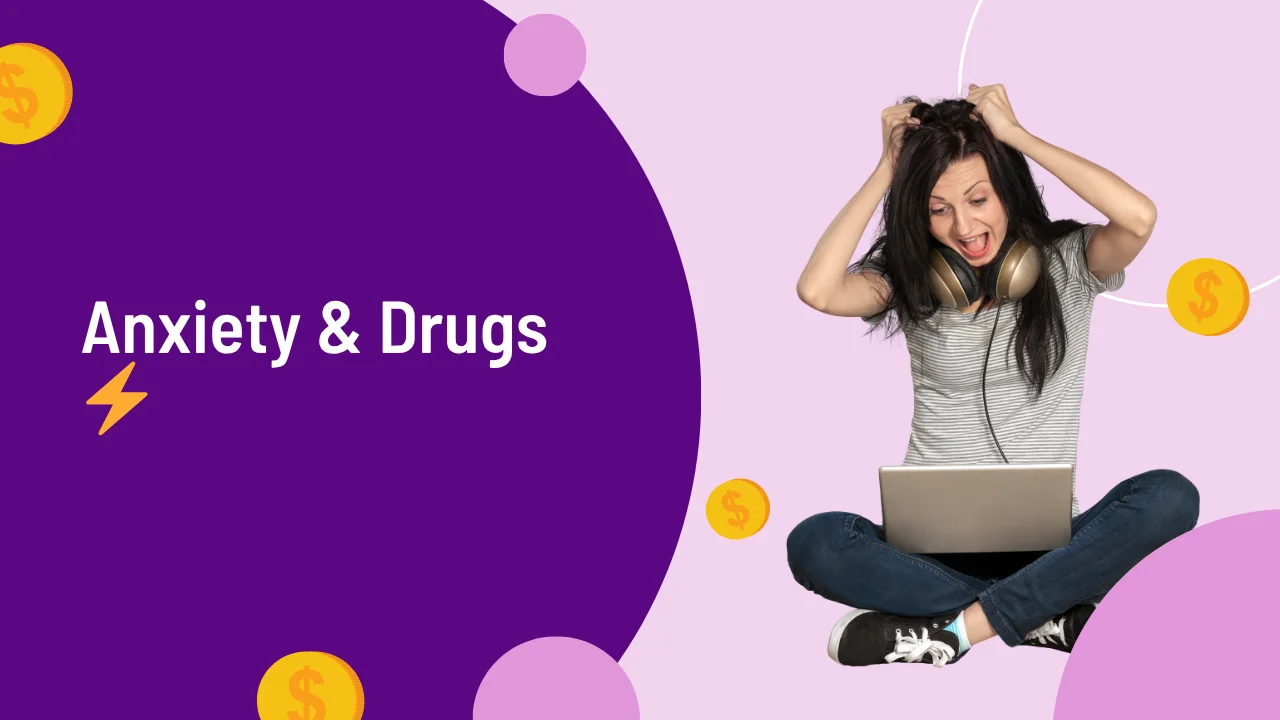
So, let’s be real for a second. Being a teenager is hard. Like, really hard. You’re trying to figure out who you are, what you want, how to fit in, and what the world even expects from you—all at once. Add in school pressure, social media, and the feeling that everyone else has their life together (spoiler: they don’t), and it’s no wonder anxiety hits like a ton of bricks sometimes. Now, mix that anxiety with easy access to alcohol, vaping, pills, or even just the endless scroll of social media as an escape, and you’ve got a combo that can quietly spiral into addiction before anyone even notices.
Table of Contents
Why Anxiety Feels So Overwhelming for Teens
Anxiety isn’t just feeling nervous before an exam or a big game. It’s that constant knot in your stomach that won’t go away. It’s lying in bed at night with your mind running wild like a hamster on a wheel. It’s overthinking every text, every look, every silence. Have you ever had that moment where you replay something you said like a hundred times in your head? Yeah, that’s anxiety’s greatest hit.
Now, here’s where things get tricky. When you’re anxious all the time, your brain starts craving relief. Any kind of relief. That’s when things like substances—or even certain behaviors—start to look like an easy way out. A drink to relax. A pill to numb. A vape to calm down. Or even binge-watching for hours just to zone out. It feels good for a bit, right? Like pressing pause on all the noise. But here’s the catch: that “pause” button eventually breaks.
The Hidden Link Between Anxiety and Addiction
Let’s cut to the chase—anxiety and addiction are like cousins who crash the same party. They feed off each other. Anxiety makes you want relief, and addiction offers it temporarily. But then the guilt, shame, and fear of losing control make your anxiety worse. It’s a vicious cycle.
Think of it like trying to put out a fire with gasoline. You think it’s helping at first, but soon the flames are everywhere. You start using more—whatever “using” looks like for you—just to get that same sense of calm. But the more you use, the worse the anxiety gets when the effect wears off. That’s how teens, who just wanted to feel okay for a minute, end up stuck in something way bigger than they expected.
Real Talk: It Doesn’t Always Look Like What You Think
When people hear the word “addiction,” they usually picture someone passed out, or in a dark alley, or totally out of control. But for most teens, it’s quieter than that. It’s sneaky. It’s vaping in between classes because your chest feels tight. It’s using sleeping pills just to stop the overthinking. It’s gaming all night to avoid feeling lonely. It’s scrolling social media until 3 a.m. to drown out your own thoughts.
I remember a time when a close friend of mine, let’s call him Rohan, started vaping “just to chill.” He said it helped him with the stress of exams. At first, it seemed harmless. But soon, he couldn’t get through a single class without stepping out to puff. When he tried to quit, his hands would shake, and his anxiety went through the roof. He told me once, “It’s crazy—I started this to stop being anxious, but now I’m anxious because I can’t stop.” That hit me hard.
What’s Actually Happening in the Brain
Here’s the science part, but don’t worry, I’ll keep it simple. Your brain has this system that releases chemicals like dopamine when you do something that feels good—like laughing with friends, listening to your favorite song, or winning a game. Anxiety, on the other hand, floods your body with stress hormones like cortisol. So when you’re anxious all the time, your brain’s like, “Please, give me something good!” That’s when addictive behaviors start sneaking in because they flood your system with temporary pleasure or calm.
But there’s a problem: over time, your brain starts depending on those quick fixes to feel okay. So when you try to stop, your anxiety skyrockets because your natural balance is off. It’s not that you’re weak—it’s just biology doing its thing. But it also means that you can retrain your brain.
Breaking the Cycle: Easier Said Than Done (But Totally Possible)
So how do you break the anxiety-addiction loop? It’s not about willpower alone. It’s about understanding what’s really going on inside you.
First: Acknowledge What You’re Feeling
Sounds simple, but it’s actually the hardest part. Most teens (and honestly, most adults) don’t want to admit they’re anxious or struggling. It feels like weakness, right? But it’s not. It’s just being human. Saying, “I’m anxious and I’ve been using [insert your escape here] to cope,” is the first brave step.
Next: Find Healthier Ways to Cope
Now, I know everyone says “just meditate” or “go for a walk,” and it can sound kinda cliché. But here’s the deal—it actually helps when you find what works for you. Some people calm their mind by drawing. Some blast music and dance it out. Others talk to someone they trust. The key is finding something that gives you real relief without the crash after.
When I was younger, I used to overthink everything—like, everything. I’d get so anxious before exams that my stomach hurt. One day, I started journaling just to dump my thoughts out. At first, it felt silly. But after a while, it was like letting the air out of a balloon. It didn’t fix everything overnight, but it gave me space to breathe. That’s what you need—space to breathe.
Then: Talk to Someone (Seriously, Do It)
I know it sounds scary. No one wants to admit they’re not okay. But the truth is, everyone’s struggling with something. Talking to a friend, a parent, a counselor, or even a teacher can change everything. Sometimes just saying things out loud makes them less powerful. It’s like turning the lights on in a dark room—you realize the monster in the corner was just your laundry pile.
Finally: Learn to Sit With Your Anxiety
This one’s tough. Because when you’re anxious, you want it gone—now. But here’s a secret: anxiety isn’t always your enemy. It’s your brain’s way of saying, “Hey, something’s not right.” The trick is learning to listen without letting it take control. Try breathing exercises, grounding yourself by naming what you see, or focusing on small things like feeling your feet on the floor. It sounds simple, but these little things help retrain your mind to handle stress without running to your old escape.
The Role of Friends and Family
If you’ve ever seen someone you care about spiral, you know how helpless it feels. But being there for someone doesn’t mean fixing them—it means listening, not judging, and reminding them that they’re not alone. If your friend’s using something to cope, start with empathy, not lectures. You can say, “Hey, I get that you’re stressed. Want to talk about what’s been going on?” instead of, “You need to stop doing that.” Trust me, the first one opens doors; the second one slams them shut.
When to Get Professional Help
Sometimes, the anxiety and addiction loop gets too tangled to handle alone. And that’s okay. Therapists, counselors, and support groups exist for a reason—they’re not there to label you, they’re there to help you heal. Cognitive Behavioral Therapy (CBT), for example, helps rewire the thoughts that fuel both anxiety and addiction. Medication, when prescribed responsibly, can also stabilize things enough for you to start feeling like yourself again.
If you’re reading this and thinking, “I don’t want to tell anyone,” I get it. But reaching out doesn’t mean you’re broken—it means you’re brave enough to take your life back.
Social Media and the Hidden Pressure Cooker
We can’t ignore this part. Social media is like a double-edged sword—it connects you, but it also constantly reminds you of what you don’t have. Perfect bodies, perfect lives, perfect everything. It’s exhausting. And the more anxious you feel comparing yourself, the more likely you are to look for an escape. It’s like drinking salt water—it looks refreshing, but it just makes you thirstier.
Try this: unfollow accounts that make you feel bad about yourself. Follow pages that make you laugh, teach you something, or inspire you. Your feed should feel like your safe space, not a competition.
Healing Takes Time—And That’s Okay
Here’s something people don’t talk about enough: healing isn’t linear. You’ll have good days where you feel strong and hopeful, and others where you just want to hide. That’s normal. The goal isn’t to never feel anxious—it’s to learn how to live with it without letting it control you.
It’s like learning to surf. You can’t stop the waves, but you can learn how to ride them. Some days you’ll wipe out, but that doesn’t mean you failed. It just means you’re learning balance.
If You’re Reading This as a Parent or Friend
Please, don’t just see the addiction. See the anxiety underneath it. Ask yourself: what are they trying to escape from? Addiction is often a symptom, not the root cause. The real healing starts when the anxiety is addressed—when they feel safe enough to be honest about what’s going on inside.
Final Thoughts
Anxiety and teen addiction are tangled together in ways that can feel impossible to separate. But they can be untangled—with patience, compassion, and the right kind of help. You’re not broken if you’ve been struggling. You’re not weak for wanting relief. You’re just human—and healing is 100% possible.
So, here’s my advice: start small. Be honest with yourself. Find one healthy outlet. Talk to one person. Take one step today. You don’t have to fix everything all at once—just take the first step toward peace.
What’s your next move?
FAQs
1. Can anxiety really cause addiction in teens?
Yes, anxiety can increase the risk. Teens often turn to substances or behaviors to escape constant worry or stress, which can develop into addiction over time.
2. What are some signs that anxiety is leading to addiction?
Look for patterns like using substances to “feel normal,” withdrawing from friends, sleeping too much or too little, or relying on something daily just to cope.
3. How can parents help teens with anxiety and addiction?
Stay calm, listen without judgment, and encourage open communication. Offer help, but don’t force it. Suggest therapy gently and focus on understanding rather than control.
4. Can social media make anxiety and addiction worse?
Absolutely. Constant comparison and exposure to unrealistic lives can heighten anxiety and fuel escapism, leading to addictive habits like excessive scrolling or substance use.
5. What’s the first step to overcoming both anxiety and addiction?
Admitting the struggle is the biggest step. From there, seek support—whether it’s a trusted person or a therapist. Small, consistent actions lead to long-term healing.